Views: 0 Author: Site Editor Publish Time: 2025-11-01 Origin: Site
Have you ever wondered how materials are moved seamlessly between floors in busy warehouses or factories? Inclined belt conveyors make it possible. These systems are essential for vertical material transport, ensuring efficiency in tight spaces. However, they come with their own set of challenges.
In this article, we’ll discuss common issues faced by inclined conveyor belts, such as belt slippage and material carryback. You will learn about their causes and discover practical solutions to keep your system running smoothly.
Inclined conveyor belts are designed to operate at an angle, which presents unique challenges compared to horizontal conveyors. These challenges can affect the efficiency and reliability of the conveyor system. Below are some of the most common problems faced by inclined conveyor belts, along with their solutions.
● Causes: Belt slippage is one of the most common problems in inclined conveyor systems. It typically occurs when the conveyor belt fails to maintain adequate friction against the pulleys, causing it to lose traction. This issue can arise due to insufficient belt tension, worn-out pulleys, or excessive load on the system. Slippage can also occur if the pulleys or belt surfaces are contaminated with dust, grease, or other debris.
● Solutions:
- Adjusting Tension: The first step to preventing belt slippage is to adjust the tension of the belt to the manufacturer’s recommended level. Proper belt tension ensures that the belt remains securely in place on the pulleys, reducing the risk of slippage.
- Regular Maintenance: It's crucial to regularly clean the pulleys and the conveyor belt to prevent build-up of grease and dirt that can reduce friction. If the pulleys are worn out or damaged, they should be replaced immediately. Periodic inspections and maintenance are essential to keep the system running smoothly.
● Causes: Mistracking occurs when the conveyor belt runs off-center, leading to excessive wear along the sides of the belt and other components. This can happen due to misaligned pulleys, uneven load distribution, or debris build-up on the conveyor. Mistracking can also be caused by improper installation or maintenance.
● Solutions:
- Periodic Inspections: To prevent belt mistracking, it’s essential to regularly inspect the conveyor system, particularly the pulleys and rollers. Ensure that they are aligned correctly and operating smoothly.
- Proper Loading Practices: Uneven loading can place excessive strain on one side of the belt, causing it to shift off-center. Proper loading practices, such as distributing materials evenly across the belt, can help reduce the risk of mistracking.
● Causes: Material carryback occurs when material sticks to the conveyor belt instead of being fully discharged at the end of the incline. This can be caused by sticky materials, poor discharge systems, or inadequate belt cleaners. Carryback can create blockages, reduce the system's efficiency, and cause material wastage.
● Solutions:
- Install Belt Cleaners: Installing high-quality belt cleaners at the discharge point can help remove excess material from the belt and prevent carryback. These cleaners should be regularly maintained to ensure their effectiveness.
- Upgrade Discharge Systems: The discharge system should be designed to accommodate the type of material being conveyed. Ensure that the angle and speed of discharge are optimized to prevent material build-up on the belt.
● Causes: Over time, inclined conveyor belts may experience wear and tear, particularly when they handle heavy or abrasive materials. Continuous use, lack of maintenance, and operating conditions can cause the belt surface to degrade, leading to cracks, fraying, and holes.
● Solutions:
- Material Selection: Choose a durable, high-quality belt material that is designed to withstand the specific conditions of your operation. For example, use rubber or polyurethane belts for their durability and resistance to wear.
- Scheduled Replacements: Regularly inspect the belt for signs of wear and replace damaged sections before they fail. Timely replacement of worn-out components can prevent further damage to the system.
Problem | Causes | Solutions |
Belt Slippage | Insufficient tension, dirty/worn pulleys, excessive load | Adjust tension, clean pulleys, and ensure correct load specifications |
Belt Mistracking | Misaligned pulleys, uneven load distribution, debris build-up | Regularly inspect and realign pulleys and rollers, distribute load evenly |
Material Carryback | Sticky materials, poor discharge, inadequate belt cleaners | Install belt cleaners, improve discharge systems, use effective belt materials |
Excessive Wear and Tear | Continuous heavy use, abrasive materials, improper maintenance | Use durable belt materials, regular maintenance, and timely replacements |
Belt failures can lead to significant downtime and disrupt operations. Identifying the causes of these failures is essential to prevent them from affecting productivity. Here are some common causes of belt failures and their solutions.
● Explanation: If an inclined conveyor is not installed correctly, it can lead to a variety of operational issues, including misalignment, tension problems, and inefficiency.
● Solutions:
- Follow Manufacturer Guidelines: Ensure that the conveyor system is installed according to the manufacturer’s instructions. Proper alignment of pulleys, rollers, and the belt is essential to avoid problems.
- Training: Train maintenance personnel to identify and address installation issues early. Providing adequate training ensures that staff can quickly troubleshoot potential problems.
● Explanation: Overloading the conveyor beyond its rated capacity can cause strain on the system, resulting in belt slippage, overheating motors, and premature wear of components.
● Solutions:
- Load Sensors: Install load sensors to monitor the weight on the conveyor belt. This can help ensure that the conveyor operates within its rated capacity and prevents overloading.
- Regular Checks: Ensure that materials are loaded evenly and that the weight does not exceed the manufacturer’s specified load limits.
● Explanation: Using the wrong type of belt material can lead to poor performance, particularly when the incline angle exceeds the belt’s design specifications. For example, smooth belts are not suitable for steep inclines, as they do not offer sufficient friction to prevent slippage.
● Solutions:
- Proper Belt Selection: Choose the correct type of belt based on the incline angle and material type. For steeper inclines, cleated or corrugated sidewall belts are more effective at containing materials and preventing slippage.
Cause | Explanation | Solutions |
Improper Installation | Poor initial setup leading to misalignment and inefficiency | Follow manufacturer guidelines, train staff for proper installation |
Overloading the Conveyor | Exceeding the conveyor's rated capacity causes strain | Install load sensors, check load limits regularly |
Incorrect Belt Type | Using the wrong belt material for specific applications | Choose the correct belt type for the incline angle and material type |
Regular maintenance is the key to keeping inclined conveyor belts running smoothly and avoiding downtime. Here are some best practices for maintaining your inclined conveyor system.
● Explanation: Routine inspections are vital to detect any issues early before they lead to major failures.
● Solutions:
- Scheduled Inspections: Establish a regular inspection routine to check for signs of wear and misalignment. This can include inspecting the belt, pulleys, rollers, and other critical components.
- Document Findings: Maintain a log of each inspection to track the condition of the conveyor system and identify recurring issues.
● Explanation: Keeping the system clean and well-lubricated helps reduce friction, prevents premature wear, and ensures smooth operation.
● Solutions:
- Cleaning Schedule: Regularly clean the belt, pulleys, and rollers to remove dust, debris, and other contaminants.
- Lubrication: Ensure that bearings, pulleys, and other moving parts are properly lubricated to minimize wear and prevent overheating.
● Explanation: Maintaining the correct tension is crucial for the proper operation of inclined conveyors.
● Solutions:
- Tension Monitoring Systems: Install automatic tension monitoring devices to ensure that the belt maintains optimal tension during operation. This reduces the risk of slippage and misalignment.
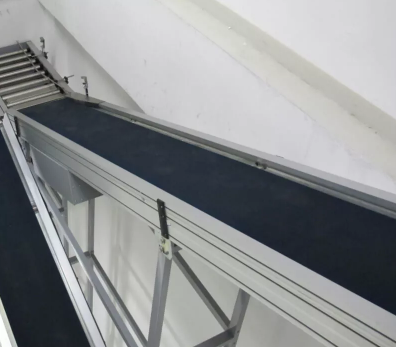
Properly managing the wear and tear of inclined conveyor belts can extend their lifespan and improve their efficiency.
● Explanation: The material of the belt is a key factor in its durability and performance.
● Solutions:
- Material Selection: Choose durable materials that can withstand harsh operating conditions. Rubber and polyurethane belts are ideal for their strength and longevity.
- Consider Application Requirements: Select belts that suit the specific materials being conveyed, as well as the operating environment.
● Explanation: Operating the conveyor at excessive speeds or loading beyond capacity can cause undue strain on the system.
● Solutions:
- Adhere to Specifications: Ensure that the conveyor operates within the recommended load and speed limits to reduce wear and prevent system failure.
For complex problems, advanced solutions can help keep inclined conveyors running smoothly and efficiently.
● Explanation: Automatic belt tension adjusters help maintain the correct tension without manual intervention, reducing the risk of slippage and mistracking.
● Solutions:
- Install Automatic Tension Adjusters: These systems automatically adjust the belt tension in real-time based on load and operating conditions, ensuring consistent performance.
● Explanation: Anti-static and anti-slip belts are particularly useful in environments where materials are prone to slippage or static buildup.
● Solutions:
- Use Specialized Belts: Anti-static belts help reduce the build-up of static electricity, while anti-slip belts provide enhanced grip, reducing the chances of material slippage.
● Explanation: Vibration can cause wear on components and increase noise levels.
● Solutions:
- Install Vibration Dampeners: Integrating vibration dampeners helps reduce mechanical stress, ensures smoother operation, and minimizes noise.
Solution | Explanation | Benefits |
Automatic Belt Tension Adjusters | Systems that automatically adjust tension based on load. | Ensures consistent performance and reduces the risk of slippage |
Anti-Static and Anti-Slip Belts | Belts designed to prevent static buildup and material slippage. | Enhances grip, reducing operational disruptions |
Vibration Dampeners | Devices that reduce mechanical stress and noise. | Ensures smoother operation and less wear on components |
Inclined conveyor belts play a crucial role in moving materials vertically, especially in space-limited environments. However, these systems face common challenges such as belt slippage, mistracking, and excessive wear. By following regular maintenance practices and addressing these issues, businesses can optimize their inclined conveyors’ performance and extend their lifespan.Key takeaways include the importance of proper installation, maintenance, and equipment choice to prevent issues. Regular inspections, cleaning, and tension monitoring will ensure smooth operations and reduce downtime.
Zhejiang Rigor Logistics Technology Co., Ltd. offers high-quality inclined conveyor systems designed to provide seamless material transport solutions, enhancing operational efficiency with durable, reliable products.
A: An inclined belt conveyor is a system designed to transport materials between different vertical levels, typically used in warehouses, manufacturing, and distribution centers.
A: Belt slippage often occurs due to insufficient tension, dirty pulleys, or excessive load. Proper maintenance and tension adjustment can resolve this issue.
A: Install belt cleaners and optimize discharge systems to prevent material from sticking to the conveyor belt.
A: Regular inspections help detect issues early, such as misalignment or wear, preventing downtime and extending the conveyor's lifespan.


